
Exploring the Science Behind Food + Cooking Techniques
Have you ever wondered why food behaves the way it does when you cook it? Or why certain cooking techniques result in different flavors and textures? Let's dive into the fascinating world where science meets culinary art to uncover the secrets behind food and cooking techniques.
The Maillard Reaction: Creating Flavor Magic
One of the most important chemical reactions in cooking is the Maillard reaction. This reaction occurs when amino acids and reducing sugars are heated together, resulting in the browning of food and the creation of complex, rich flavors. It's responsible for the delicious crust on a seared steak, the golden-brown color of bread crust, and the aroma of roasted coffee beans.
Sous Vide: Precision Cooking at Its Best
Sous vide is a cooking technique that involves vacuum-sealing food in a bag and cooking it in a water bath at a precisely controlled temperature. This method ensures that the food is cooked evenly from edge to edge, resulting in perfectly tender and juicy meat, fish, or vegetables. The science behind sous vide lies in the precise control of temperature, which helps retain moisture and flavor in the food.
Emulsions: The Magic of Oil and Water
Emulsions are mixtures of two liquids that don't normally mix, like oil and water. Mayonnaise, hollandaise sauce, and vinaigrettes are all examples of emulsions. The science behind emulsions lies in the use of an emulsifier, which helps stabilize the mixture by dispersing one liquid into the other in tiny droplets, creating a smooth and creamy texture.
Chemistry of Baking: Rise to the Occasion
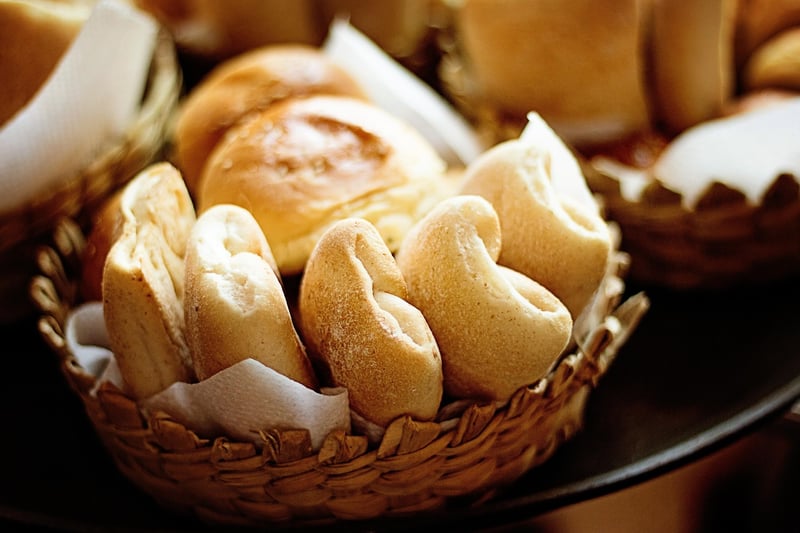
Baking is a precise science where ingredients interact in specific ways to create light and airy cakes, flaky pastries, and crusty bread. The chemistry of baking involves the leavening agents like baking powder or yeast that release gases when heated, causing the dough or batter to rise. Understanding the science behind baking can help you master the art of creating perfect baked goods.
By exploring the science behind food and cooking techniques, you can elevate your culinary skills and create delicious dishes with a deeper understanding of the processes at work in the kitchen. So, next time you're in the kitchen, remember that there's a whole world of science waiting to be discovered in every dish you cook!